

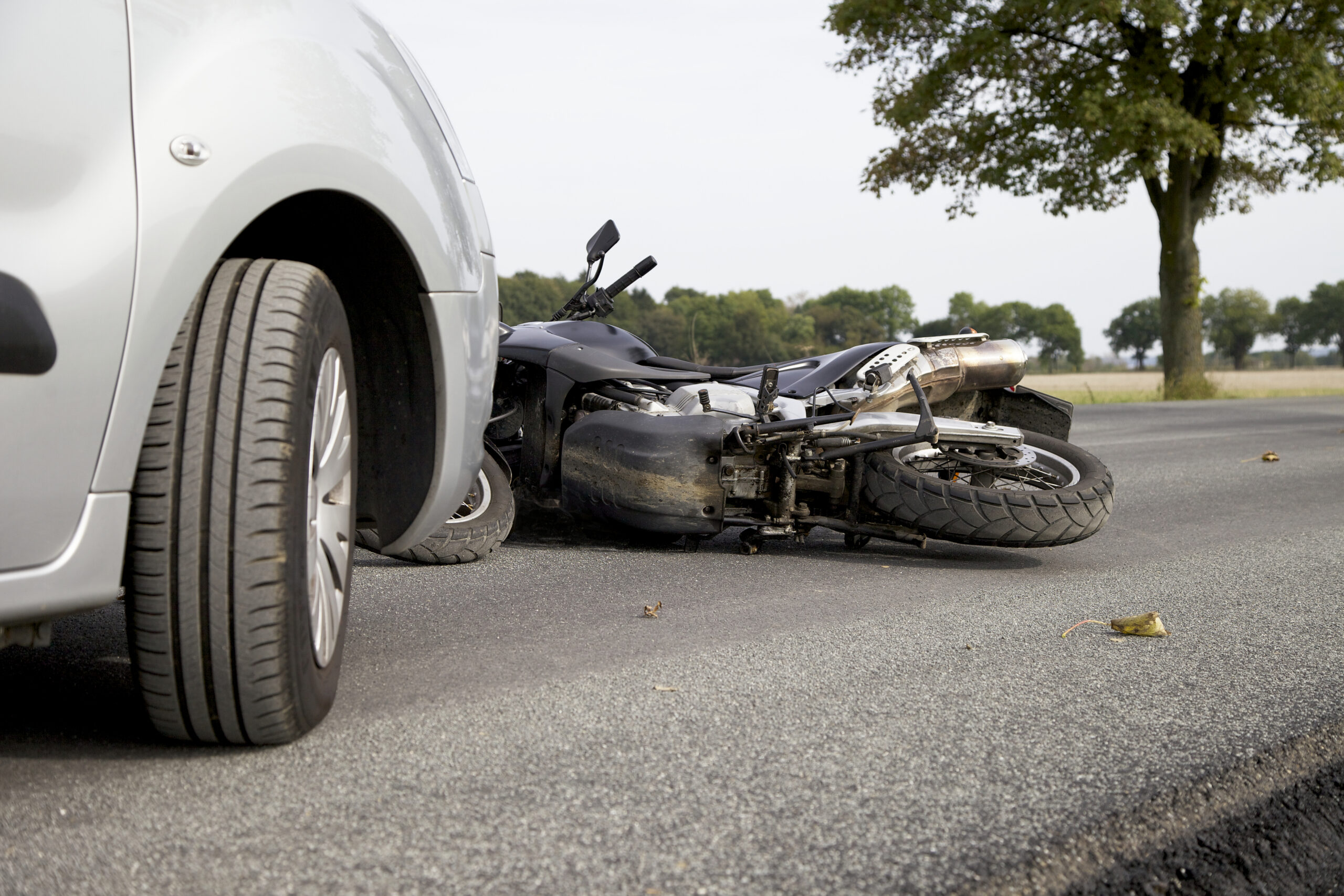
Fault is rarely black-and-white after a motorcycle crash. In California, even if another driver caused the collision, the opposing insurance company will almost certainly argue that you share some of the blame. They may claim you were speeding, lane splitting unsafely, or not wearing a helmet. Whatever the angle, their goal is the same: reduce what they owe you.
Understanding how California’s comparative negligence law works is one of the most useful things a motorcycle crash victim can do before dealing with any insurance adjuster or defense attorney.
What Is Comparative Negligence Under California Law?
California follows pure comparative negligence, meaning you can recover damages even if you are 99% at fault, though your award is reduced by your share.
California follows a legal doctrine called pure comparative negligence. Under California Civil Code Section 1714 and case law established in *Li v. Yellow Cab Co.* (1975), courts and insurers divide fault among all parties involved in an accident. Your compensation is then reduced by the percentage of fault assigned to you.
So if a jury determines your total damages are $200,000 but finds you were 30% at fault for the crash, you would recover $140,000. The math is straightforward. The fight over the percentages is not.
California’s pure comparative fault system is more favorable to injured people than the contributory negligence rules used in some other states, where any fault on your part can bar recovery entirely. Here, a partial fault does not end your claim. It does, however, shrink it.
How Fault Gets Assigned in a Motorcycle Crash
Fault is determined by evidence, including police reports, witness statements, traffic camera footage, and expert reconstruction of the crash scene.
Insurance adjusters do not assign fault randomly. They build a case using whatever evidence they can gather, and they are skilled at framing that evidence in ways that benefit their insured driver.
Common factors that insurers scrutinize in motorcycle cases include:
- Whether the rider was lane splitting, which is explicitly defined under California Vehicle Code Section 21658.1, and evaluated for safety based on traffic and speed conditions
- The speed of both vehicles at the time of impact
- Whether the motorcyclist was wearing a helmet, as required by California Vehicle Code Section 27803
- Traffic signal compliance by all parties
- Road and visibility conditions at the time of the crash
It is worth noting that California is the only state that explicitly permits lane splitting when done safely. So an insurer claiming a rider was automatically at fault for lane splitting is not on solid legal ground, but they may still use it as leverage in negotiations.
Why Insurance Companies Target Motorcycle Riders
Insurers often argue that motorcycle riders assumed risk or acted recklessly, using those arguments to inflate the rider’s share of fault and lower the payout.
Motorcycle riders face a biased problem in crash claims that car accident victims typically do not. Cultural assumptions about riders being reckless exist, and insurance adjusters are aware of them. They may suggest that a rider was inherently more dangerous simply for being on a motorcycle, or that certain riding behaviors were irresponsible even when legal.
This is why the evidence-gathering phase matters so much. A thorough investigation, including accident reconstruction, dashcam or surveillance footage, and witness accounts, can directly challenge an insurer’s version of events. Without it, you may find yourself accepting a fault percentage that is far higher than the facts actually support.
How Comparative Fault Plays Out in Settlement Negotiations
Insurers often open with inflated fault percentages to reduce settlement offers; understanding your actual liability exposure is critical before accepting anything.
Most motorcycle crash claims settle before trial. During those negotiations, comparative fault becomes a bargaining chip. The insurance company may open a claim by alleging you were 50% at fault. You or your attorney may counter with evidence showing you were 15% at fault. The final settlement often reflects a negotiated fault percentage that lands somewhere between the two positions.
The problem is that when you negotiate without a clear picture of the applicable evidence and law, you may accept a fault allocation that undervalues your claim. Once a settlement is signed, it is final. You cannot reopen it if new evidence surfaces or if you later realize the fault split was unfair.
Chino Hills riders who are injured on roads like Chino Hills Parkway, Carbon Canyon Road, or the 71 Freeway corridor face crash scenarios that often involve complex multi-vehicle dynamics or road-design questions. Those factors can shift fault in ways that are not immediately obvious.
Does a Helmet or Gear Choice Affect Your Claim?
Failing to wear a helmet may be used to argue you contributed to your own injuries, potentially increasing your assigned percentage of fault.
California requires all motorcycle operators and passengers to wear a helmet that meets federal safety standards under Vehicle Code Section 27803. If you were not wearing a helmet and suffered a head injury, an insurer may argue that your injuries were worsened by your own choice, increasing your fault percentage for damages related to those injuries specifically.
Protective gear beyond a helmet is not legally required in California, but its absence can still be raised in a comparative-fault argument, depending on the nature of the injuries claimed.
Talk to The Paris Firm Before You Talk to the Insurance Company
The Paris Firm has been fighting for injured Californians since 1994. Personal injury attorney Eric D. Paris founded the firm with a single focus: getting real results for people who have been seriously hurt through no fault of their own. Before you give a recorded statement or accept any offer, contact us to discuss what your claim is actually worth.
Call us at 909-325-6185 to schedule a consultation.


